


Evidence-Based Cognitive Assessment and Treatment
Reducing SEND wait times and unlocking young people’s potential through clinically grounded cognitive science.
Trusted By
Schologists cognitive training programmes are accredited by the British Accreditation Council

Schologists technology platform Veyra is supported by government funding (UKRI Innovate UK).
Across the UK, young people with attention, planning and executive function difficulties wait years for meaningful support.
Schools are under pressure. Families are exhausted.
Underperformance is often mistaken for low ability.
The issue is not potential.
It is access to structured cognitive support.
Veyra: A Cognitive Ecosystem
Veyra brings together assessment, intervention, and guided support into one intelligent ecosystem. By turning cognitive data into personalised, adaptive training, it reduces wait times and delivers structured executive function support at scale.
-
Clinically informed cognitive assessments that identify strengths and executive function barriers early — before disengagement escalates.
-
Structured, gamified cognitive training designed to build planning, attention and metacognitive strategy use.
-
Guard-railed AI coaching that translates cognitive data into practical, daily guidance for students and schools.
Veyra powers the system. Our programmes, training, and executive coaching activate it. By combining digital infrastructure with human expertise, we create lasting cognitive development rather than short-term fixes.
Beyond the Platform
-
BAC-accredited cohort programmes delivered in partnership with universities and schools, translating cognitive science into practical intervention.
-
1:1 executive function coaching for students aged 7–18, grounded in cognitive remediation research and clinical insight.
Why should we care about SEND?
31%
74%
of SEND students are not in sustained employment after finishing school
of teachers report not feeling prepared to meet SEND needs in the classroom
>20%
>2 years
average wait for assessment and intervention
of students with SEND never receive specialist support
Who we work with
-
![]()
Schools implementing structured SEND support
-
![Two men sitting at a white table in front of a silver MacBook, looking and pointing at the screen, engaged in conversation or collaboration in a minimalist room with a green plant in the background.]()
Multi-Academy Trusts seeking scalable cognitive tools
-
![A person typing on a laptop with a stethoscope placed on the table in front of them.]()
Healthcare partners exploring digital integration
-
![A man and a young boy smiling and playing together at a table with food and drinks on it, near a laptop, in a bright room with a large plant.]()
Families seeking executive function intervention
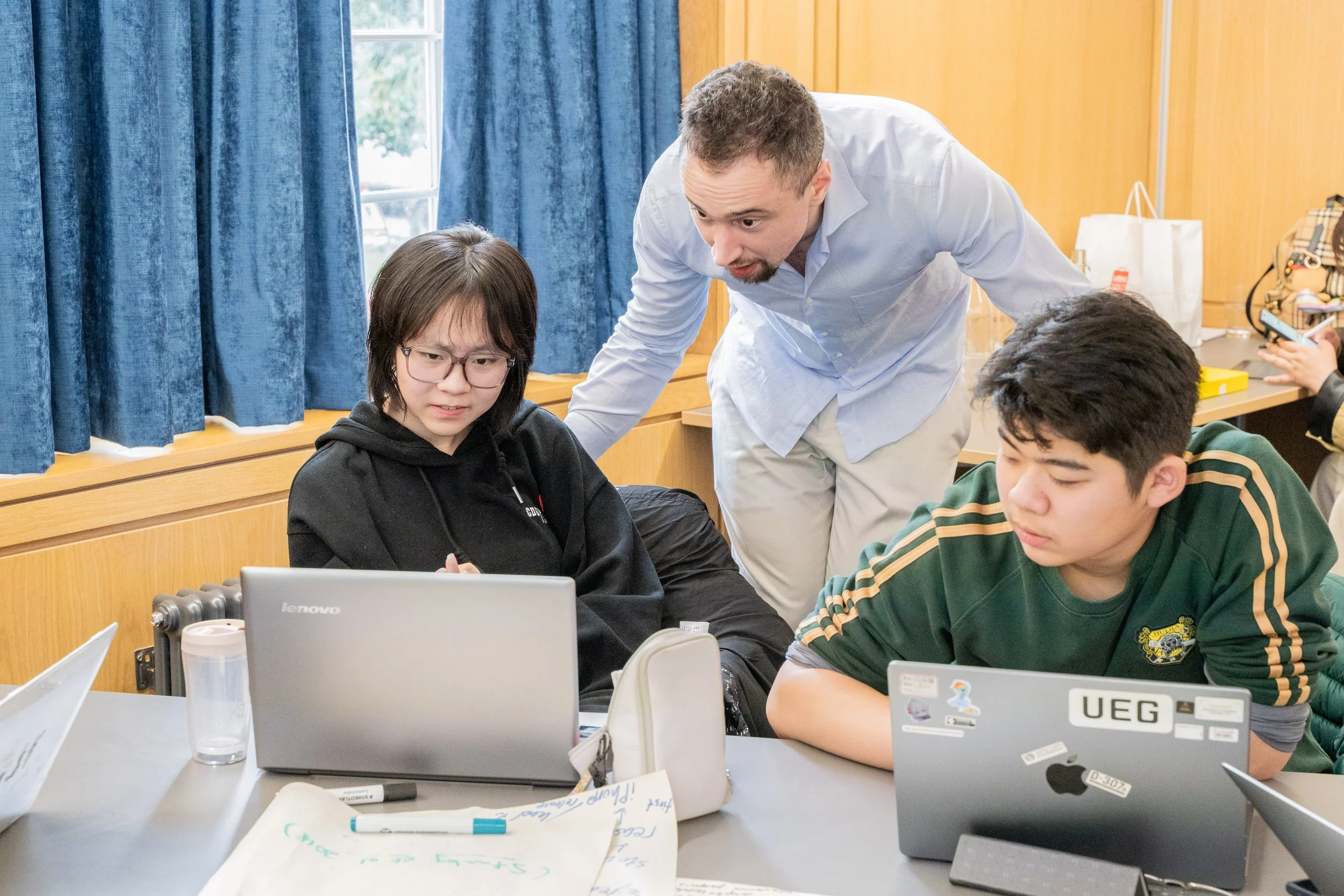



Built by Experts in Education, Clinical Research & AI
-
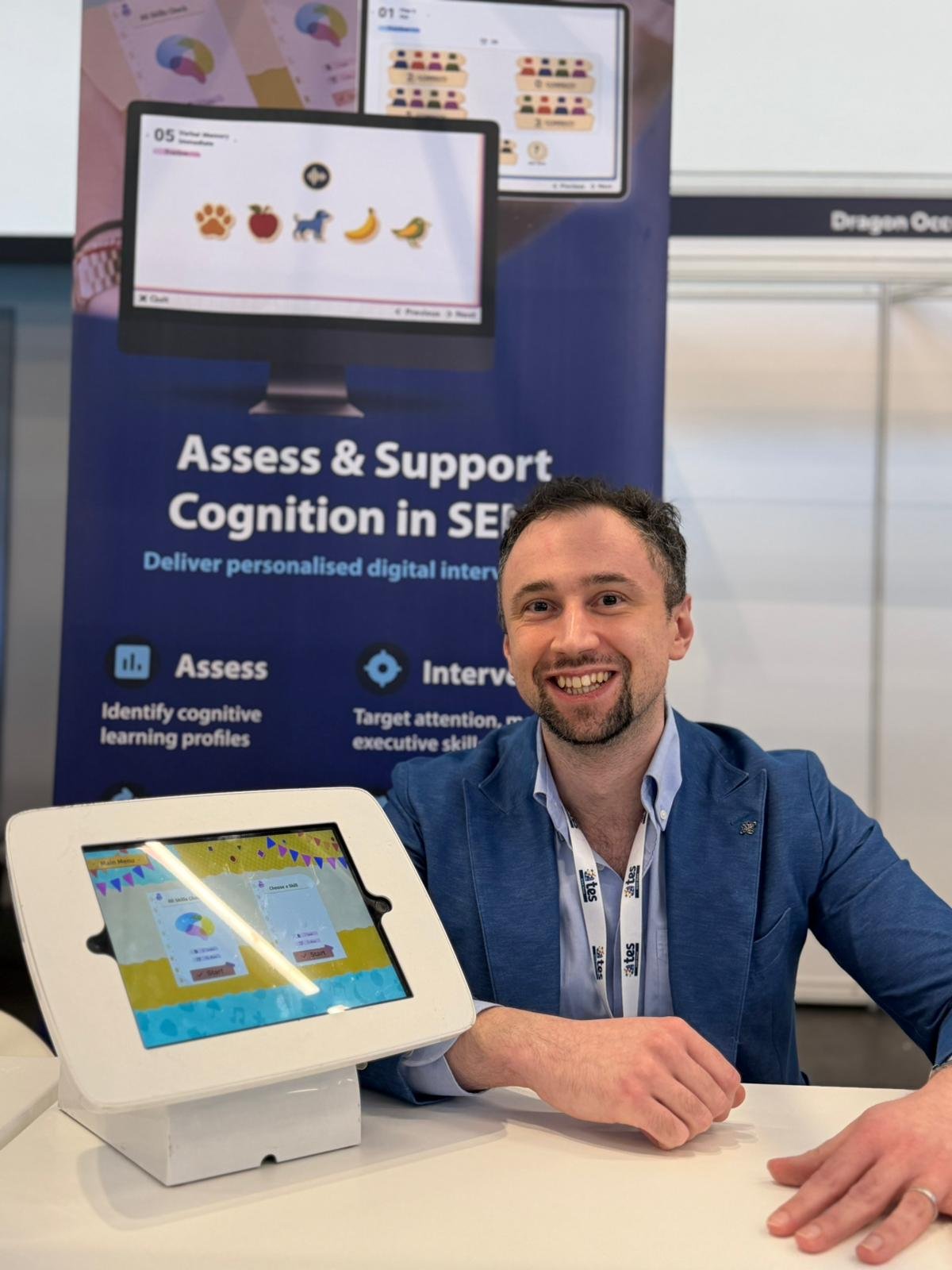
Sam Swidzinski, CEO, Founder, Co-Designer
Cognitive assessment and clinical intervention specialist. UKRI Smart Grant awardee and Visiting Lecturer at Imperial College London.
-
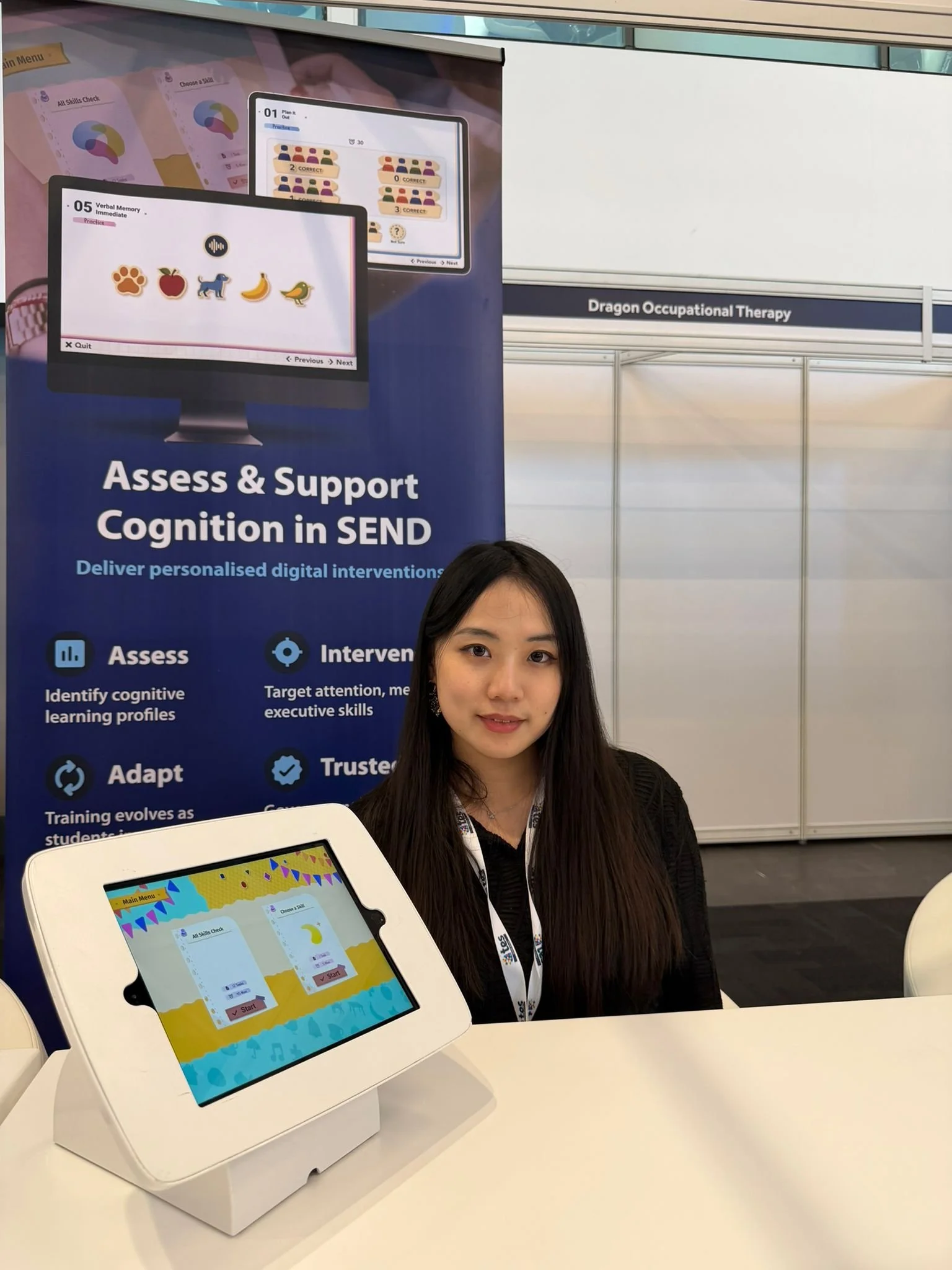
An Zhou, Creative Lead, Co-Designer
Leads visual direction and co-designs Veyra’s cognitive assessment and intervention experiences, ensuring scientific integrity meets immersive engagement.
-
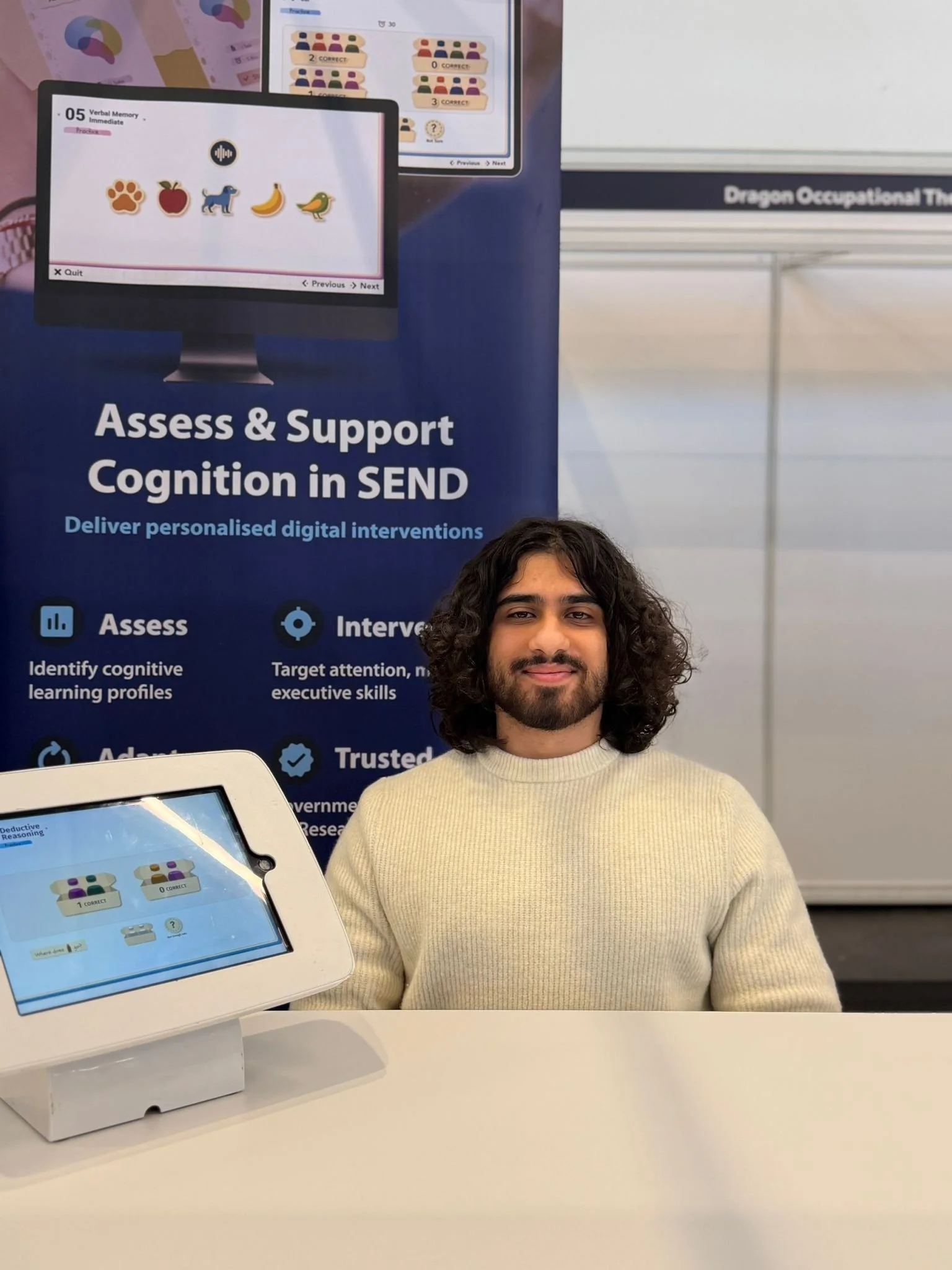
Ali Ashkboos, Technical Lead
Full-stack developer supporting Veyra’s backend architecture, secure data systems, and adaptive cognitive modelling infrastructure.
-
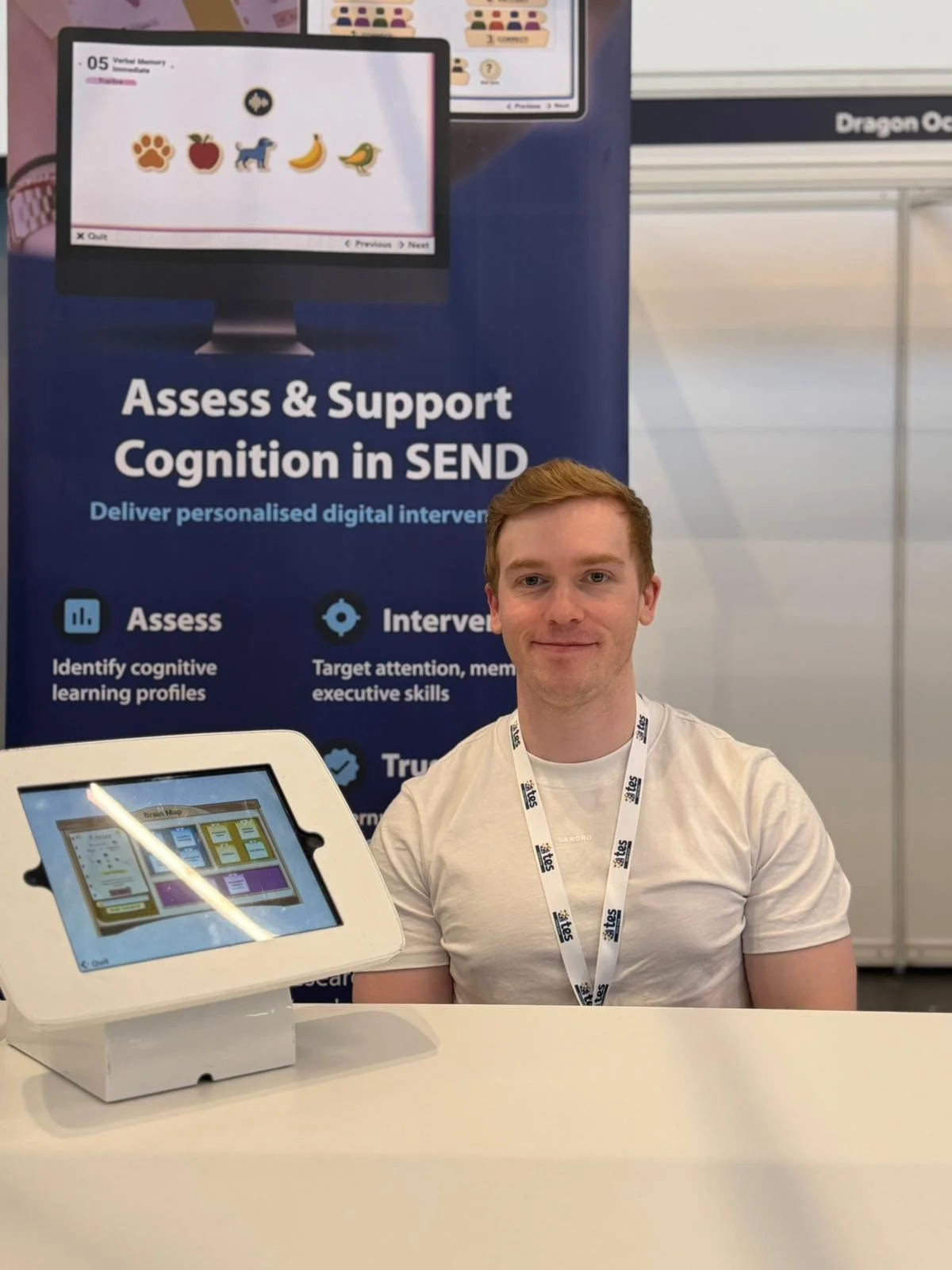
Matthew Lowe, Production Lead
Unreal engine software specialist, leading UI and front-end development.
-
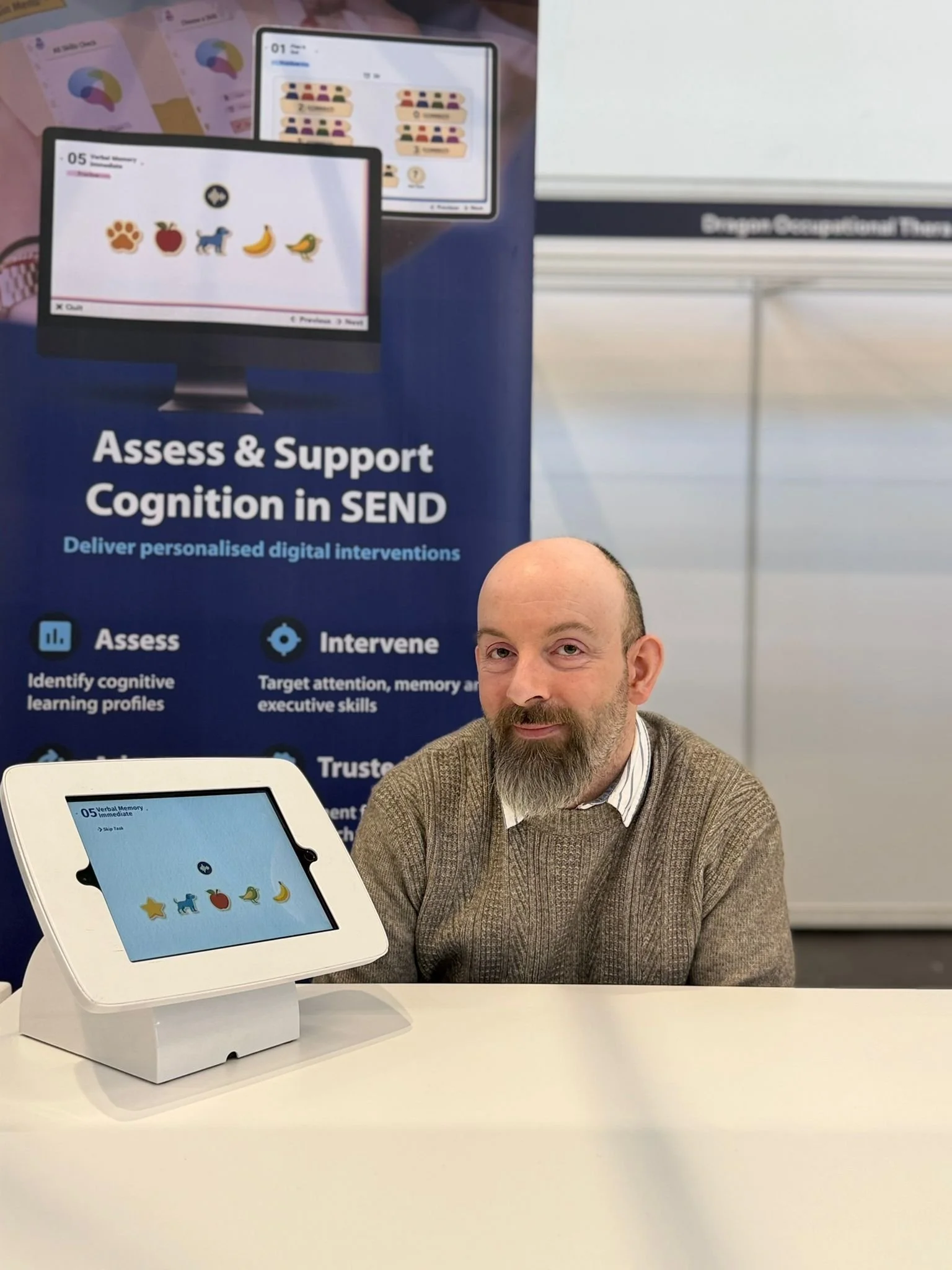
Dr Brett Raymond-Barker, Research Lead
Psychological researcher specialising in psychometrics and quantitative methodology, overseeing cognitive assessment validation and research protocol development.
-
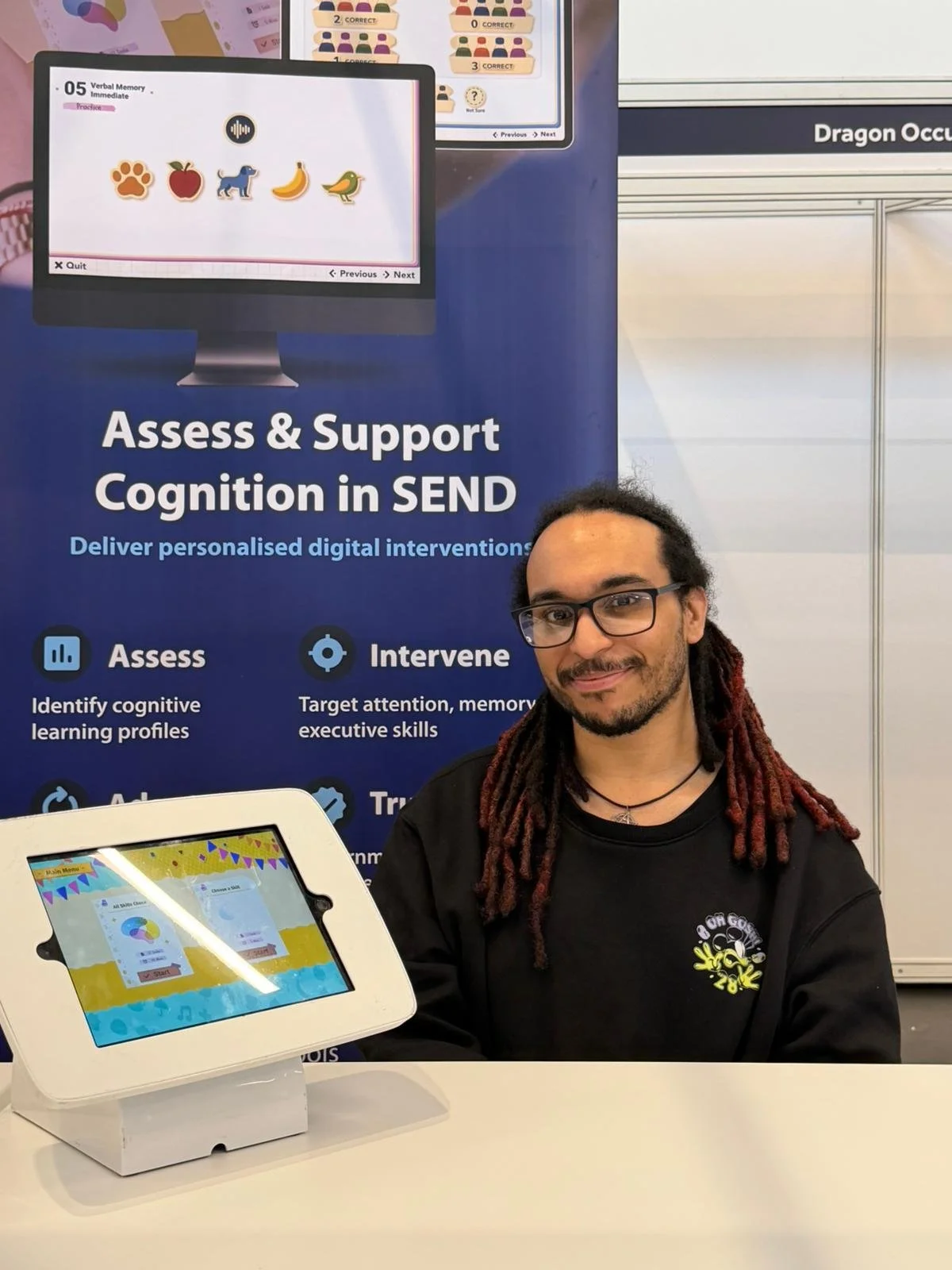
Danny Lovick, UX Designer
UI specialist, ensuring interfaces are engaging and functional.
-
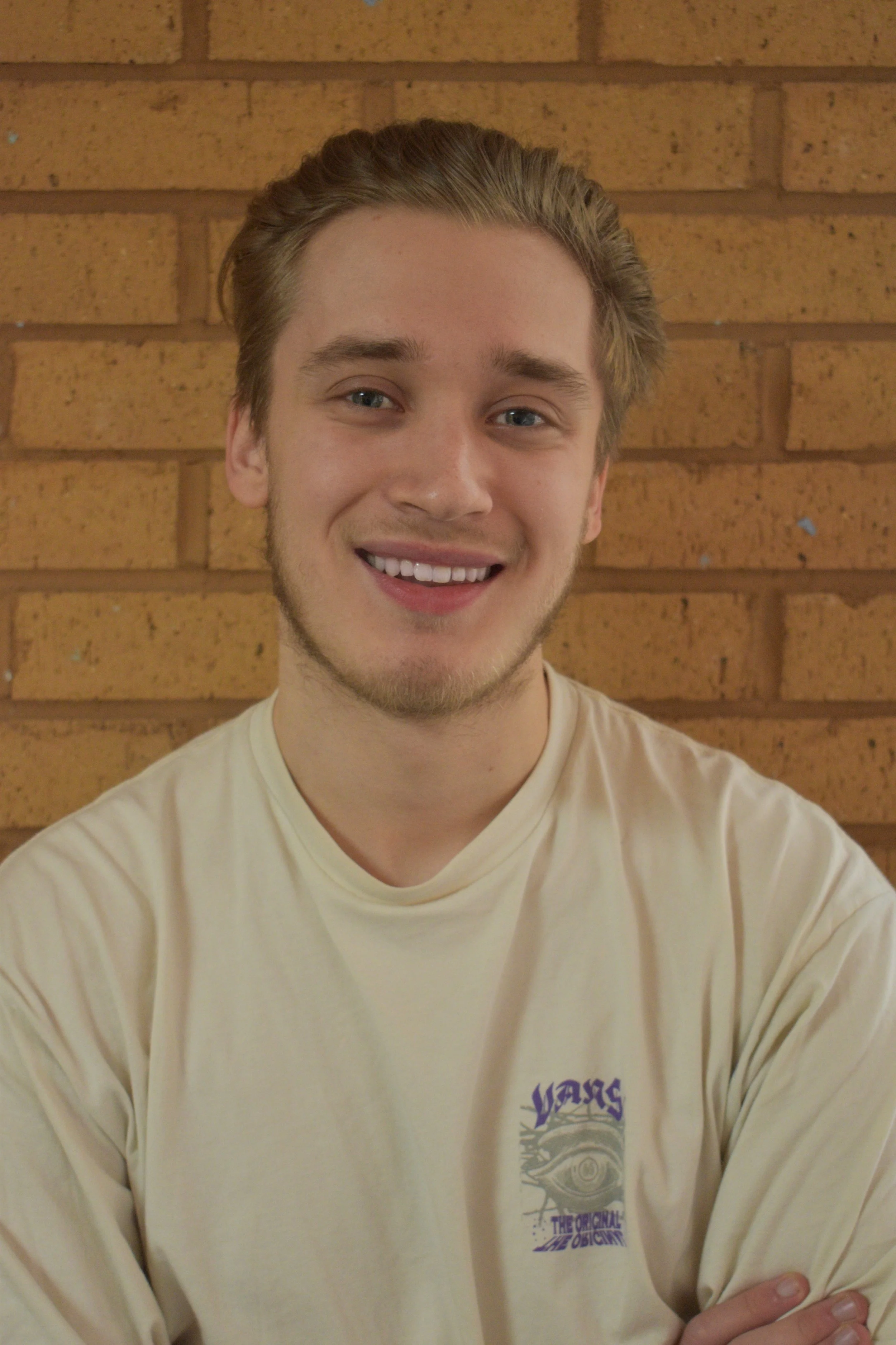
Jude Keeling, Character Artist
Ensuring characters within our programme are developed in an engaging and psychologically meaningful way.
-

Frank Zheng, Cognitive AI Lead
Enterprise AI product strategist with Deloitte experience and training in cognitive assessment and remediation research at Cambridge.
-

William Wang, COO
Operational leader with over 30 years’ experience across finance and education, bringing organisational strategy and SEND-informed leadership to scale Schologists’ growth.
-

Adam Pazik, Technical Advisor
Director of Engineering at Adobe, advising on scalable architecture, internationalisation, and enterprise-grade AI system design.
-

Dr Sameer Jauhar, Clinical Advisor
Senior NHS clinician and researcher at Imperial.
-

Karly Drabot, Expert Tutor
Cambridge-trained researcher, contributing to the design and delivery of Schologists’ accredited programmes.
-

Dr Kevin Allen, Expert Tutor
Experienced EdTech leader and educator, deilvering accredited programmes.